


Cymbalta (duloxetine) and Lexapro (escitalopram) sit in different antidepressant classes, and the practical gap between them centers on pain treatment and a specific liver-and-alcohol warning that only Cymbalta carries. This guide compares mechanism, approved uses, dosing, side effects, and the two drugs’ distinct safety warnings, drawing on FDA labeling.
This is general information, not medical advice.
Cymbalta vs Lexapro at a glance
| Cymbalta (duloxetine) | Lexapro (escitalopram) | |
|---|---|---|
| Drug class | SNRI | SSRI |
| FDA-approved for | MDD, GAD, diabetic peripheral neuropathic pain, fibromyalgia, chronic musculoskeletal pain | MDD (adults, adolescents 12-17), GAD (adults) |
| Pain indications | Yes, several | None |
| Key warning | Not for patients with substantial alcohol use or chronic liver disease | Dose-related QT prolongation; 20 mg max dose |
| Maximum dose | Typically around 60 mg/day | 20 mg/day (10 mg for older adults) |
| Blood pressure effect | Can raise blood pressure | Not a labeled concern at approved doses |
What each is approved for
Cymbalta covers major depressive disorder, generalized anxiety disorder, diabetic peripheral neuropathic pain, fibromyalgia, and chronic musculoskeletal pain.
Lexapro covers major depressive disorder in adults and adolescents 12 to 17, and generalized anxiety disorder in adults.
Both share the GAD approval, so for that specific condition, either is an approved option. For pain conditions, only Cymbalta has an approved role.
How they work
Lexapro selectively blocks serotonin reuptake. Cymbalta blocks reuptake of both serotonin and norepinephrine, giving it activity in pain-modulating pathways that Lexapro, as a pure SSRI, does not share.
The two defining safety warnings
Cymbalta’s liver and alcohol warning. Following a 2005 FDA and Eli Lilly safety alert about hepatotoxicity linked to duloxetine, including cases in patients who consumed large quantities of alcohol during clinical trials, Cymbalta’s label states it should not be prescribed to patients with substantial alcohol use or evidence of chronic liver disease. See our guide to Cymbalta and alcohol for the full picture, including signs of liver injury to watch for.
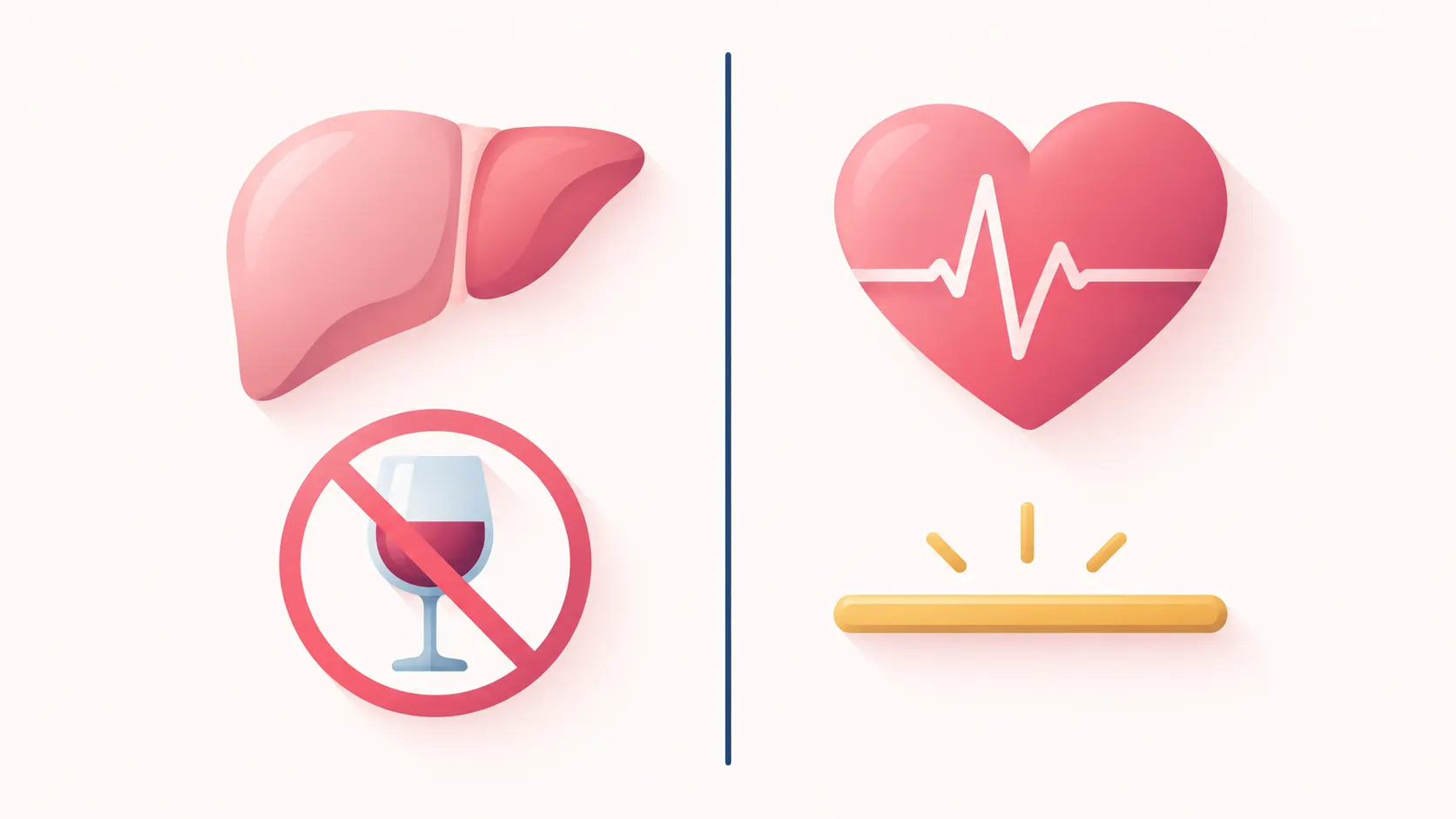
Lexapro’s QT-prolongation warning. Escitalopram carries a dose-related warning for QT prolongation, a change to the heart’s electrical rhythm, which is why its maximum dose is capped at 20 mg daily (10 mg in older adults, those with hepatic impairment, and those on certain interacting drugs). See our guide to Lexapro and alcohol for related detail, including how this warning interacts with alcohol’s own effects on heart rhythm and electrolytes.
These are genuinely different kinds of risk: Cymbalta’s is about the liver interacting badly with heavy alcohol use over time; Lexapro’s is about a dose-dependent cardiac electrical effect that caps how high the dose can safely go.
Side effects
Both cause nausea and sexual side effects, common to nearly all antidepressants. Beyond that:
- Sweating and blood pressure. More associated with Cymbalta, reflecting its norepinephrine activity.
- Sleep. Both can cause insomnia; Lexapro’s label lists it among common effects, particularly at the 20 mg dose.
- Weight. Cymbalta is generally more weight-neutral to mildly weight-reducing; Lexapro’s weight effect is variable between individuals.
- Low sodium (hyponatremia). Both can cause this, more often in older adults, and it is a shared SSRI/SNRI class effect.
Dosing
Cymbalta typically starts at 30 to 60 mg once daily, with a maximum generally around 60 mg/day for most patients.
Lexapro starts at 10 mg once daily, increased to a maximum of 20 mg once daily after at least one week if needed, with 10 mg as the maximum recommended dose in older adults.
Drug interactions
Both are contraindicated with MAOIs, requiring a standard 14-day washout period, and both raise serotonin syndrome risk with other serotonergic drugs and bleeding risk with NSAIDs, aspirin, or anticoagulants. Lexapro’s QT warning means combining it with other QT-prolonging drugs needs particular caution; Cymbalta’s warning means avoiding it, or using it very cautiously, in anyone with substantial alcohol use or liver disease, and watching for interactions with other drugs cleared by the same liver pathways.
Practical scenarios
If you have diabetic neuropathy or fibromyalgia and depression or anxiety together, Cymbalta’s dual approval means one medicine may address both, which many patients and prescribers find appealing rather than managing two separate prescriptions.
If you drink alcohol regularly, even moderately, this is worth discussing before starting Cymbalta specifically, since the label’s warning is not limited to heavy drinkers alone in every clinical interpretation, though “substantial alcohol use” is the label’s own term. Lexapro’s alcohol caution is more about general antidepressant-and-alcohol interaction (worse mood, sleep, side effects) than a liver-specific mechanism.
If you have a personal or family history of an irregular heartbeat or fainting spells, mention this before starting Lexapro, since its QT warning is dose-related and cardiac risk factors specifically change the risk calculation. This history matters less for Cymbalta, which does not carry the same cardiac electrical warning, though its blood pressure effect is still worth monitoring.
If you are pregnant or planning pregnancy, both drugs require an individualized discussion with your obstetrician and psychiatrist; neither has a warning as specific as paroxetine’s cardiac malformation flag, but decisions about continuing, starting, or switching either drug in pregnancy should never be made alone.
Getting the most out of either medicine
- Give it time. Both typically take several weeks for full benefit.
- Report side effects rather than stopping abruptly. Both can cause discontinuation symptoms if stopped suddenly, and a gradual taper, planned with your prescriber, is safer.
- Bring an accurate alcohol history to your first appointment, since this specifically changes whether Cymbalta is appropriate.
- Ask about blood pressure monitoring if you start Cymbalta, particularly if you already have hypertension.
- Ask about QT risk if you start Lexapro and have any heart rhythm history or take other QT-prolonging medicines.
Who each might suit
Factors that may point toward Cymbalta:
- Depression or anxiety with coexisting diabetic neuropathy, fibromyalgia, or chronic pain
- No cardiac risk factors that would complicate Lexapro’s dose-related QT warning
- No substantial alcohol use or liver disease, since that specifically rules against Cymbalta
Factors that may point toward Lexapro:
- No pain component to the clinical picture
- A history of significant alcohol use or liver concerns, where Cymbalta’s specific warning applies
- A teenager 12 to 17 with depression, since Lexapro has that specific pediatric approval
Frequently asked questions
Can Lexapro treat nerve pain like Cymbalta?
No. Lexapro has no FDA-approved pain indication. Cymbalta is specifically approved for diabetic peripheral neuropathic pain, fibromyalgia, and chronic musculoskeletal pain.
Which has the more serious safety warning, Cymbalta or Lexapro?
They carry different types of warnings rather than one being simply “more serious.” Cymbalta’s is about liver injury risk with substantial alcohol use; Lexapro’s is a dose-related cardiac electrical effect that caps its maximum dose. Both matter, for different patients.
Can I drink alcohol on either drug?
Cymbalta’s label specifically advises against substantial alcohol use because of the liver-injury risk. Lexapro’s label also advises against alcohol, mainly because it can worsen depression, sleep, and side effects, and because of overdose-related cardiac risks noted in its label, though the mechanism differs from Cymbalta’s.
Is Cymbalta or Lexapro better for anxiety?
Both have an FDA indication for generalized anxiety disorder in adults, so either is an approved option for that specific diagnosis.
Which is safer for the heart?
Cymbalta can raise blood pressure in some patients but does not carry Lexapro’s specific QT-prolongation warning. Lexapro’s dose is capped specifically because of that cardiac electrical concern. Neither is inherently “safer” in a blanket sense; the relevant risk depends on the individual’s cardiac history.