


Mesna (brand name Mesnex) is a protective medicine given with certain chemotherapy drugs to shield the bladder. Its one FDA-approved job is to reduce the risk of hemorrhagic cystitis, bleeding and inflammation of the bladder, caused by the cancer drug ifosfamide. It does not treat cancer, and it does not protect any other part of the body from chemotherapy. It works in the urine, where it neutralizes a toxic breakdown product of ifosfamide before it can damage the bladder lining.
This guide explains what mesna is, why ifosfamide harms the bladder, how mesna works, the IV and tablet dosing schemes from the label, what it does not protect against, side effects and warnings, tips for patients and families, and answers to common questions. It also replaces our separate page on the Mesnex brand.
This is general information based on FDA labeling, not medical advice. Chemotherapy and mesna are prescribed and timed precisely by your oncology team. Follow their schedule exactly.
Mesna at a glance
| Drug class | Cytoprotective (protective) agent; thiol compound |
|---|---|
| Brand name | Mesnex (also generic mesna) |
| FDA-approved use | Prophylaxis to reduce the incidence of ifosfamide-induced hemorrhagic cystitis |
| Forms | Injection for IV use; 400 mg film-coated tablets |
| Given | Before and after each ifosfamide dose, timed to match |
| Does not | Treat cancer, prevent kidney damage, low blood counts, or nerve toxicity from ifosfamide, or prevent bleeding from low platelets |
| Main contraindication | Hypersensitivity to mesna or other thiol compounds |
Why ifosfamide can hurt the bladder
Ifosfamide is a powerful chemotherapy medicine used for several cancers, including certain sarcomas, testicular cancers, and lymphomas. The body breaks it down into several compounds. Two of them, acrolein and 4-hydroxy-ifosfamide, are toxic to the lining of the urinary tract. They are filtered by the kidneys, collect in the bladder, and can irritate and damage the bladder wall, causing hemorrhagic cystitis.
The label notes that hemorrhagic cystitis produced by ifosfamide is dose dependent, meaning higher ifosfamide doses cause more bladder injury. Symptoms can range from blood in the urine (hematuria) and burning to severe bleeding and pain. Before mesna, this was a major, sometimes dose-limiting problem with ifosfamide. Mesna made it possible to give full doses more safely.
How mesna works
Mesna is a thiol, a compound with a sulfhydryl (SH) group that binds and neutralizes toxic substances. The FDA-approved labeling explains the process in steps:
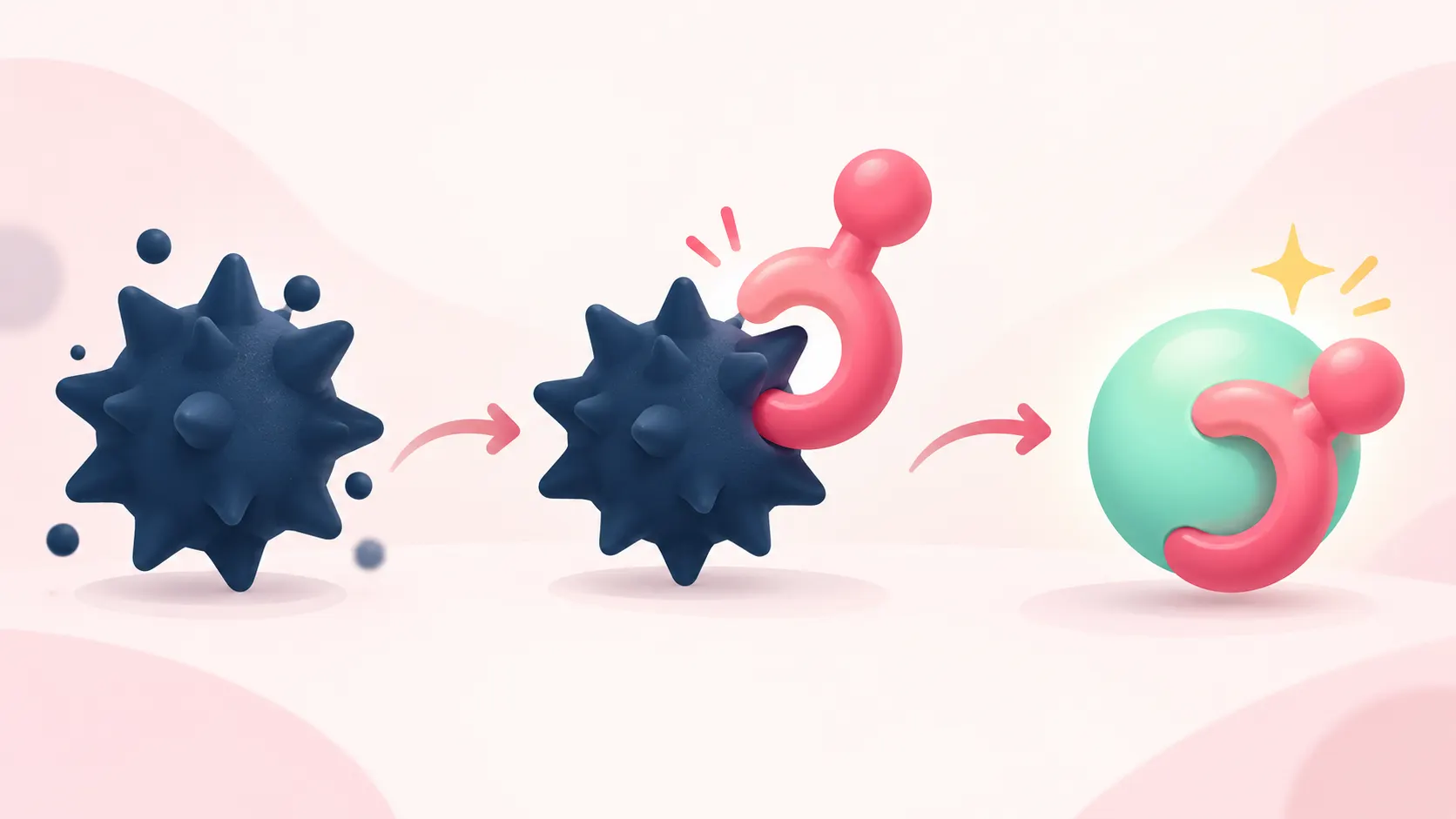
- After it is given, mesna is quickly converted in the blood to an inactive form called mesna disulfide (dimesna). This stays in the bloodstream and is eliminated by the kidneys.
- In the kidneys, dimesna is converted back into free mesna, which is active.
- In the urine, free mesna reacts chemically with the toxic ifosfamide byproducts acrolein and 4-hydroxy-ifosfamide, resulting in their detoxification. It binds to 4-hydroxy-ifosfamide, forming a non-toxic compound, and binds to the double bonds of acrolein and other toxic metabolites.
The result is that the harmful chemicals are neutralized in the bladder, where they would do damage, while the ifosfamide that is circulating in the body to attack the cancer is left alone. That specificity is why mesna does not blunt ifosfamide’s anti-cancer effect.
In clinical studies described in the label, when Mesnex was given with ifosfamide doses that would normally cause frequent bladder problems, the incidence of hematuria (blood in the urine) was less than 7%.
Who receives mesna
Mesna is given to patients receiving ifosfamide, the setting for which it is approved. Doctors also use it with certain other chemotherapy drugs that can irritate the bladder, such as high-dose cyclophosphamide, based on medical judgment and guidelines, although that use is outside the FDA-labeled indication. Your oncology team decides whether mesna is appropriate for your regimen.
Mesna is not used to reduce blood in the urine from other causes. The label’s limitation of use states that Mesnex is not indicated to reduce the risk of hematuria due to other pathological conditions such as thrombocytopenia (low platelet counts).
Dosing: timed to the ifosfamide dose
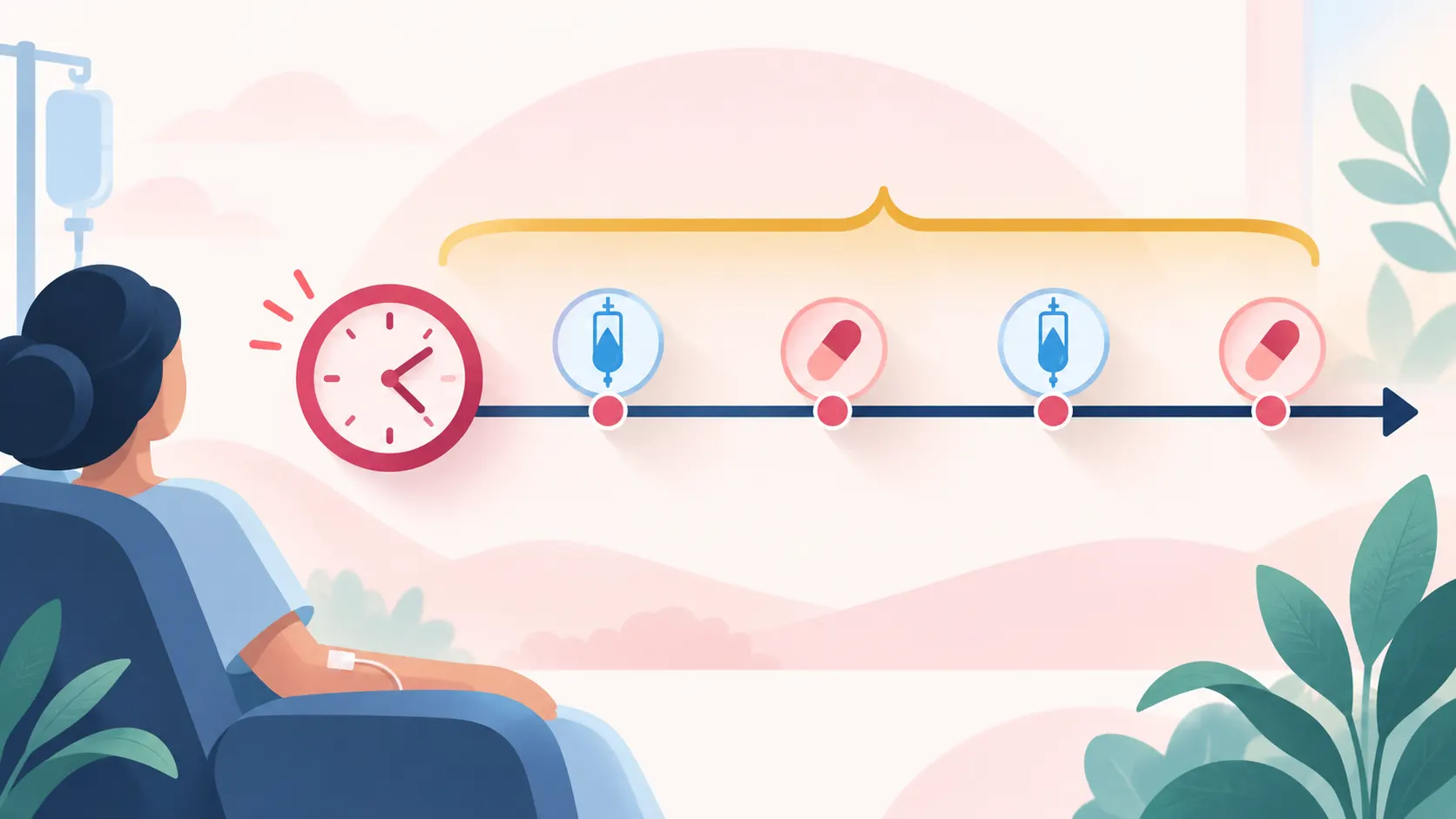
Mesna dosing is based on the ifosfamide dose, not on body weight alone, and the timing is critical because mesna must be present in the urine whenever the toxic byproducts are.
Intravenous regimen
The labeled schedule gives an IV bolus of mesna at 20% of the ifosfamide dose at the time of ifosfamide administration, then at 4 hours and 8 hours later, for a total daily mesna dose equal to 60% of the ifosfamide dose. One drug reference gives an example: for an ifosfamide dose of 1.2 g/m², mesna 240 mg/m² is given as an IV push 15 minutes before and 4 and 8 hours after ifosfamide.
IV plus oral (tablet) regimen
Mesnex may also be given on a fractionated schedule: a single IV bolus of mesna at 20% of the ifosfamide dose at time zero, followed by oral mesna tablets at 40% of the ifosfamide dose at 2 hours and 6 hours after ifosfamide. In the same example (ifosfamide 1.2 g/m²), that is 240 mg/m² IV and 480 mg/m² by mouth at each of the two later times.
| Scheme | Time 0 | Later doses |
|---|---|---|
| All IV | 20% of ifosfamide dose | 20% at 4 hours and 20% at 8 hours |
| IV then oral | 20% IV | 40% by mouth at 2 hours and 40% at 6 hours |
Points to know:
- Adjust if the ifosfamide dose changes. The mesna doses are recalculated accordingly.
- If vomiting occurs within 2 hours of a tablet dose, the dose should be repeated or replaced with an IV dose, according to prescribing information.
- Food does not affect how much oral mesna reaches the urine, according to the approval documents, so tablets can be taken with or without food, though nausea may make small snacks helpful.
- Tablets are 400 mg. The exact number depends on the calculated dose.
- Timing rules. Because mesna must be present when toxic compounds arrive in the bladder, missing or delaying doses can leave the bladder unprotected. If a dose is missed or vomited, contact the treatment team right away.
Oral mesna is absorbed less completely than IV mesna. Its urinary availability is about 45 to 79% of the IV dose, which is why the oral doses are larger. The half-life of mesna ranged from about 1.2 to 8.3 hours in the label data.
What mesna does not do
This is one of the most important points on the label. Mesna:
- Does not prevent kidney toxicity, bone marrow suppression, or nerve toxicity from ifosfamide. Other side effects of ifosfamide still happen and are managed separately.
- Will not prevent hemorrhagic cystitis in every patient. Because it is not perfect, the label advises checking a morning urine sample for blood before each ifosfamide or cyclophosphamide treatment. If hematuria develops, the dose of ifosfamide may need to be reduced or stopped.
- Does not prevent hematuria from low platelets. Bleeding due to thrombocytopenia has a different cause.
Other supportive measures for the bladder, such as drinking plenty of fluids and emptying the bladder frequently, are part of protecting it, and your oncology team will give specific instructions. For related supportive care during chemotherapy, see our guide to Neupogen vs Neulasta, which covers medicines that help protect blood counts.
Side effects
Because mesna is given with chemotherapy, it can be hard to tell which side effects come from which drug. Reported adverse reactions listed in drug references for mesna combinations include:
- Headache, dizziness, and fatigue
- Nausea and vomiting
- Diarrhea and abdominal pain
- Injection site reactions
- Flushing, a fast heart rate, chest pain, or swelling
- Pain in the back, joints, or limbs
- Cough, shortness of breath
- Anxiety, confusion, insomnia, or drowsiness
- Low potassium
Since chemotherapy itself causes many of these symptoms, tell your care team about anything new so they can sort out the cause.
Warnings and precautions
- Hypersensitivity. Mesna is a thiol compound. Hypersensitivity reactions have been reported to mesna and to amifostine, another thiol drug. The label notes it is not clear whether people who reacted to another thiol are at higher risk. Reactions can include rash, itching, swelling, low blood pressure, or fever. Report any reaction immediately.
- Contraindication. Mesna is contraindicated in patients known to be hypersensitive to mesna or other thiol compounds.
- Skin reactions. Severe skin reactions have been reported, mostly with combination chemotherapy.
- Benzyl alcohol. The injection in multi-dose vials contains the preservative benzyl alcohol. Because it is rapidly metabolized by a pregnant woman, exposure of the fetus is considered unlikely, according to the label. It has significance for very young infants, so ask about the formulation if the patient is a baby or young child.
- Pregnancy. Mesna is used together with ifosfamide, and ifosfamide can cause fetal harm when given to a pregnant woman. Pregnancy testing and contraception are discussed by the oncology team. In animal studies, mesna itself showed no adverse developmental outcomes at doses roughly 10 times the maximum human dose.
- Urine test interference. Mesna can cause a false-positive result for ketones on a urine dipstick test. Tell anyone testing your urine that you are receiving mesna.
- No known drug interaction studies. The approval documents note no clinical drug interaction studies have been conducted, so tell your team about all the medicines you take.
Recognizing bladder irritation early
Even with mesna, it is important to catch problems early. Signs of bladder irritation or hemorrhagic cystitis can include:
- Pink, red, or brown urine, or visible blood clots
- Burning or pain when urinating
- A frequent or urgent need to urinate
- Pain or pressure in the lower abdomen
- Difficulty passing urine, or passing very little
Call your treatment team the same day for any of these. Severe bleeding, inability to urinate, fever, or clots that block urine flow need urgent evaluation. Because mesna reduces but does not eliminate the risk, prompt reporting allows the team to adjust the plan before a small problem becomes a big one.
Ifosfamide effects that mesna does not cover
Mesna guards the bladder only. Other effects of ifosfamide are managed separately, and it helps to know what to watch for so you can report changes:
- Low blood counts (bone marrow suppression), which raise the risk of infection, bleeding, and anemia. Teams monitor blood counts and may use growth-factor medicines.
- Kidney effects, which is why kidney function is checked before and during treatment and why staying hydrated matters.
- Nervous system effects, such as confusion, drowsiness, hallucinations, or unusual behavior, which need immediate attention.
- Nausea, vomiting, and hair loss, which are common with chemotherapy and managed with supportive medicines.
None of these are prevented by mesna, as the label states. If you develop new symptoms, do not assume mesna will have covered them.
Special situations
Children. Mesna is used in pediatric cancer care. Dosing is calculated the same way, as a percentage of the ifosfamide dose. Because the multi-dose injection contains benzyl alcohol, your team will consider the formulation carefully for infants and small children.
Kidney or liver disease. The approval documents note that no clinical studies were conducted on how hepatic or renal impairment affects mesna, so your team will individualize care using your blood test results.
Nausea and vomiting. Because oral doses depend on staying down, teams often give anti-nausea medicine before tablets and may switch to IV dosing if vomiting is a problem.
Long treatment courses. Ifosfamide is often given for several days in a row, with mesna each day. The approval documents noted that the mesna exposure on later days can be higher than on day one, and further study of dose changes was requested, which is one reason teams monitor patients closely across multi-day cycles.
Traveling to appointments. Plan the timing of oral doses around travel, and pack tablets with the pharmacy label.
Tips for patients and families
- Know the schedule. Ask for a written timeline that lists when each ifosfamide and mesna dose is due, including the oral doses if you take tablets home.
- Set alarms. Timing matters, and many people find phone reminders helpful for 2-hour and 6-hour or 4-hour and 8-hour doses.
- Drink fluids as instructed. Ample fluids help flush the bladder.
- Empty your bladder often, including at bedtime and when you wake at night, if your team recommends it.
- Look at your urine. Report pink, red, or brown urine, clots, burning, urgency, or pain right away.
- Bring a morning urine sample if requested, since testing for blood is part of safety monitoring.
- Take tablets exactly as prescribed, and if you vomit soon after a dose, call the treatment team immediately for instructions.
- Do not skip mesna because you feel well. The protection is preventive.
- Report any rash, itching, swelling, or breathing trouble immediately.
- Store tablets as directed and keep them out of reach of children.
Questions to ask your oncology team
- Which mesna schedule (IV only or IV plus tablets) will I have, and when exactly are the doses?
- What should I do if I vomit a tablet dose or miss one?
- How much should I drink, and how often should I empty my bladder?
- What symptoms of bladder irritation should make me call right away?
- Will you check my urine for blood before each treatment?
- What other side effects of my chemotherapy are not prevented by mesna, and how will they be managed?
- Is mesna safe given my allergies, especially to sulfa or thiol-containing drugs?
Mesnex vs generic mesna
Mesnex is the brand name, and generic mesna is available in both injection and tablet forms. Both contain the same active ingredient and are used the same way. The brand name page you may have seen elsewhere describes the same medicine, so the information in this guide applies to both.
Frequently asked questions
What is mesna used for?
To reduce the risk of hemorrhagic cystitis (bladder bleeding and inflammation) caused by the chemotherapy drug ifosfamide.
Is Mesnex the same as mesna?
Yes. Mesnex is a brand name for mesna. Generic versions contain the same active ingredient.
How does mesna protect the bladder?
In the urine, free mesna binds and neutralizes acrolein and 4-hydroxy-ifosfamide, the toxic ifosfamide byproducts that damage the bladder lining.
Does mesna interfere with chemotherapy working?
It is designed to act in the urinary tract and not to reduce ifosfamide’s anti-cancer effect elsewhere in the body.
How is mesna dosed?
As a percentage of the ifosfamide dose. The IV schedule gives 20% at time zero, 4 hours, and 8 hours (60% total). The IV plus oral schedule gives 20% IV at time zero, then 40% by mouth at 2 and 6 hours.
Does mesna prevent all ifosfamide side effects?
No. It does not prevent kidney toxicity, bone marrow suppression, or neurotoxicity, and it will not prevent hemorrhagic cystitis in every patient.
What if I vomit after taking mesna tablets?
The dose may need to be repeated or given IV. Call your treatment team right away, since bladder protection depends on timing.
Can I take mesna with food?
Yes. Food does not affect how much oral mesna reaches the urine.
Are there side effects of mesna?
Headache, nausea, vomiting, diarrhea, fatigue, and injection-site reactions are among those reported, though many overlap with chemotherapy effects. Allergic reactions can occur and need immediate attention.
Will mesna change my urine test results?
It can cause a false-positive urine ketone result on a dipstick. Tell staff you take mesna.
References
- DailyMed. MESNEX (mesna) injection, solution: prescribing information (Baxter).
- DailyMed. MESNEX (mesna) tablets, film coated: prescribing information (Baxter).
- FDA. Mesnex label and approval package, NDA 20-855: final printed labeling.
- FDA. MESNEX full prescribing information (2014).
- FDA. Mesnex tablets approval letter, NDA 20-855 (March 2002).
- Medscape. Mesnex (mesna): dosing, indications, interactions, adverse effects.