

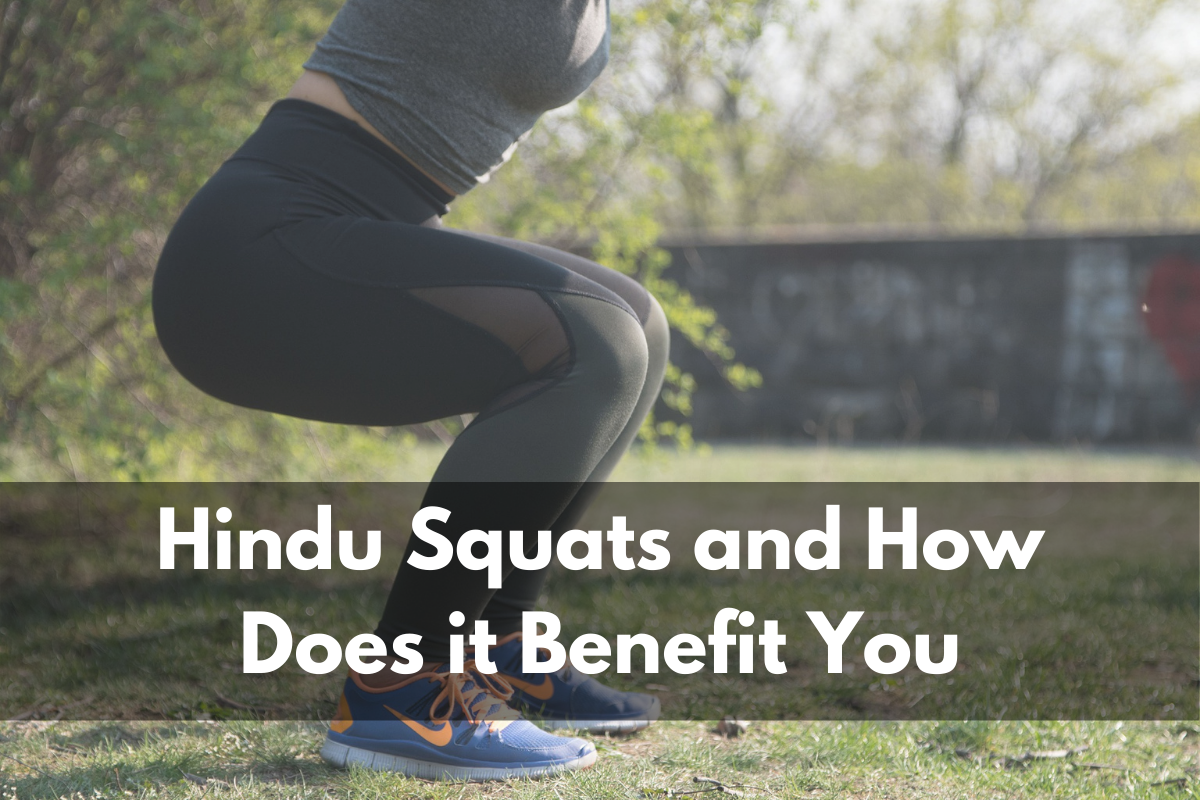
Hindu squats are a bodyweight squat variation involving a continuous, rhythmic movement that raises onto the toes and swings the arms, requiring more balance and coordination than a standard squat, and they offer real, well-documented benefits for strength, cardiovascular conditioning, and mobility. This guide covers the technique, muscles worked, and benefits.
This is general information, not medical advice. Consult a doctor before starting a new exercise program, particularly if you have knee, hip, or balance issues.
What makes Hindu squats different from regular squats
Hindu squats differ from a standard squat in a key way: they require rising up onto the toes and typically incorporate a continuous, flowing arm swing as part of the movement, rather than the static or more controlled up-and-down pattern of a standard squat. This means they demand more balance and coordination throughout the movement, since your center of gravity shifts forward as you rise onto your toes, requiring active body control to maintain stability.
Muscles worked
Hindu squats engage muscles throughout the lower body and core, including the shoulders, core, glutes, hip flexors, quadriceps, hamstrings, calves, and ankles, a broader engagement pattern than a standard squat alone, given the added balance and coordination demands and the typically continuous, higher-repetition style the exercise is usually performed in.
Real, documented benefits
- Strength and hypertrophy (muscle growth) in the targeted lower-body muscle groups
- Cardiovascular conditioning and calorie burning, since Hindu squats are typically performed in a continuous, higher-repetition style that elevates heart rate more than a slower, heavier standard squat
- Balance, coordination, and stability, given the demands of controlling the forward weight shift onto the toes throughout the movement
- Flexibility and mobility, particularly through the ankles, hips, and knees, from the fuller range of motion involved
- Improved athletic movement patterns, since the coordination and power developed can transfer to activities like jumping, running, and sprinting
How to perform a Hindu squat
Starting in a standing position with feet roughly shoulder-width apart, the movement typically involves swinging the arms back as you descend into the squat with heels rising off the ground, then swinging the arms forward and up as you rise back to standing, continuing in a smooth, rhythmic, continuous pattern rather than pausing between repetitions. Because of the balance and coordination demands, it’s generally recommended to learn the movement pattern slowly and with proper form before performing it at a faster, more continuous pace.
Who should be cautious with this exercise
Because Hindu squats require rising onto the toes and shifting weight forward, they may be more challenging or less appropriate for people with significant balance issues, certain knee or ankle conditions, or those newer to exercise in general, who may want to master a standard bodyweight squat first before progressing to this more demanding variation. As with any new exercise, starting with proper technique guidance and progressing gradually helps reduce injury risk.
Frequently asked questions
What’s the difference between Hindu squats and regular squats?
Hindu squats involve rising onto the toes with a continuous, flowing arm swing, requiring more balance and coordination than the more static movement pattern of a standard squat.
What muscles do Hindu squats work?
They engage the shoulders, core, glutes, hip flexors, quadriceps, hamstrings, calves, and ankles, a broader muscle engagement pattern than a standard squat alone.
Are Hindu squats good for cardio?
Yes, since they’re typically performed in a continuous, higher-repetition style, they provide meaningful cardiovascular conditioning and calorie-burning benefits alongside strength benefits.
Are Hindu squats safe for beginners?
They can be more challenging than a standard squat due to the balance and coordination demands; beginners may want to master a standard bodyweight squat first before progressing to this variation.
Can Hindu squats improve athletic performance?
Yes, the coordination, power, and mobility developed through Hindu squats can transfer to improved performance in activities like jumping, running, and sprinting.