


Cymbalta (duloxetine) and Celexa (citalopram) are from different antidepressant classes, and that difference shows up in what each one treats beyond depression. Cymbalta is an SNRI approved for chronic pain conditions that Celexa, a plain SSRI, has no approval for at all. Celexa, meanwhile, carries a specific FDA dose cap tied to a cardiac electrical risk that Cymbalta does not carry in the same way. This guide compares mechanism, approved uses, dosing limits, side effects, and the liver and heart warnings that most distinguish the two.
This is general information, not medical advice. Ask your prescriber which class of antidepressant, and which specific drug, fits your diagnosis and health history.
Cymbalta vs Celexa at a glance
| Cymbalta (duloxetine) | Celexa (citalopram) | |
|---|---|---|
| Drug class | SNRI | SSRI |
| FDA-approved for | MDD, generalized anxiety disorder, diabetic peripheral neuropathic pain, fibromyalgia, chronic musculoskeletal pain | Major depressive disorder only |
| Maximum dose | Typically 60 mg/day for most indications | 40 mg/day (FDA-mandated cap since 2011; 20 mg in some patients) |
| Key warning | Should not be prescribed with substantial alcohol use or chronic liver disease | Dose-dependent QT prolongation; do not exceed 40 mg/day |
| Pain indications | Yes, several | None |
| Weight effect | Generally weight-neutral to modest loss | Weight-neutral to modest gain in some patients |
What each is approved for
Cymbalta has one of the broadest indication lists among newer antidepressants, spanning both psychiatric and pain conditions: major depressive disorder, generalized anxiety disorder, diabetic peripheral neuropathic pain, fibromyalgia, and chronic musculoskeletal pain (including low back pain and osteoarthritis pain).
Celexa is approved for one thing: major depressive disorder. It has no FDA-approved anxiety or pain indication, though it is sometimes used off-label for anxiety in practice.
If pain is part of the picture, whether from diabetic nerve damage, fibromyalgia, or chronic musculoskeletal conditions, Cymbalta has a specific approved role that Celexa cannot fill.
How they work
Celexa is a selective serotonin reuptake inhibitor: it blocks serotonin reuptake with high selectivity and little direct effect on other neurotransmitters.
Cymbalta is a serotonin-norepinephrine reuptake inhibitor: it blocks reuptake of both serotonin and norepinephrine. This dual action is the likely reason it has pain-modulating effects that a pure SSRI like Celexa does not, since norepinephrine pathways are involved in the body’s descending pain-inhibition system, separate from mood regulation.
Celexa’s QT-prolongation dose cap
This is Celexa’s defining safety issue. In 2011, the FDA issued a drug safety communication revising dosing recommendations because of a potential risk of abnormal heart rhythms with high doses of citalopram. The label was revised to state that dosages above 40 mg once daily are not recommended, due to the risk of QT prolongation, a change to the heart’s electrical rhythm that can, in rare cases, lead to a dangerous arrhythmia called torsades de pointes. This safety warning also lowered the maximum dose to 20 mg in patients 60 and older, in those with hepatic impairment, in CYP2C19 poor metabolizers, and in those taking certain interacting drugs (specifically CYP2C19 inhibitors).
This means Celexa’s dosing has a firm ceiling that did not exist when the drug was first approved, and the change was driven specifically by cardiac safety data, not by efficacy concerns. Cymbalta’s label does not carry a comparable QT-specific dose cap, though all antidepressants warrant some caution with cardiac risk factors.
Cymbalta’s liver and alcohol warning
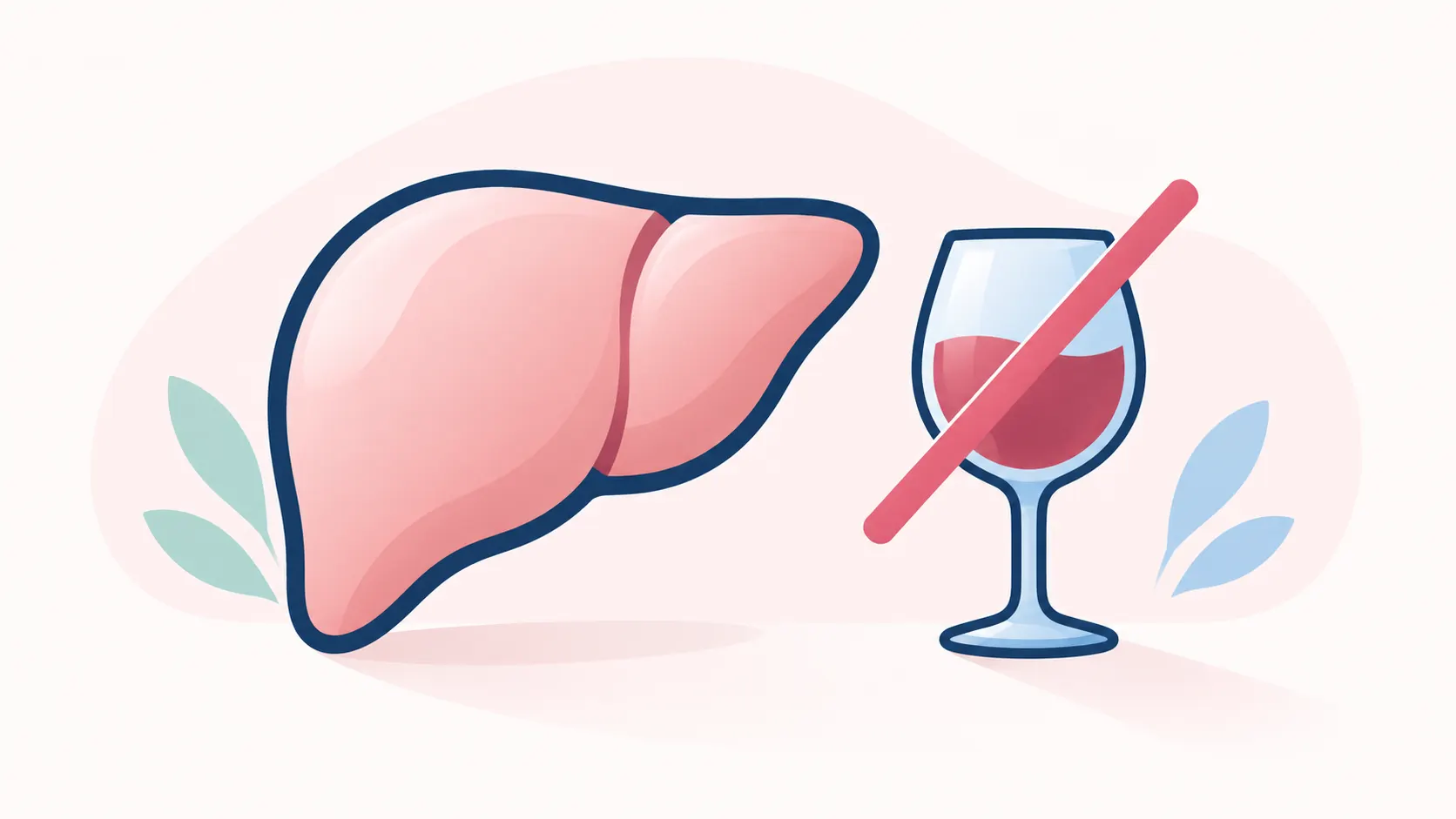
This is Cymbalta’s most distinctive safety issue, covered in detail in our guide to Cymbalta and alcohol. In short: the FDA and Eli Lilly warned in 2005 about hepatotoxicity (liver injury) associated with duloxetine, including in patients who consumed large quantities of alcohol during clinical trials, and the label states that Cymbalta should not be prescribed to patients with substantial alcohol use or evidence of chronic liver disease. Celexa carries no comparable liver-specific warning, though heavy alcohol use is generally discouraged with any antidepressant for reasons of mood, sleep, and overall side-effect burden.
Side effects
Both drugs share nausea, sleep changes, and sexual side effects as common complaints, but some patterns differ:
- Sweating. Cymbalta is more frequently associated with increased sweating than Celexa, consistent with its norepinephrine-related activity.
- Blood pressure. Cymbalta can raise blood pressure in some patients, a class effect of SNRIs; Celexa, as a pure SSRI, does not carry this same warning.
- Weight. Celexa has been associated with modest weight gain in some long-term users, while Cymbalta is generally considered more weight-neutral, with some patients experiencing modest weight loss.
- Discontinuation. Both can cause discontinuation symptoms if stopped abruptly; a gradual taper is recommended for both.
Dosing
Cymbalta typically starts at 30 to 60 mg once daily for MDD and GAD, and the same range or a somewhat lower starting dose for pain indications, with a maximum generally around 60 mg/day for most patients (some indications and situations use higher amounts under specialist guidance).
Celexa starts at 20 mg once daily, increased to 40 mg once daily after at least one week if needed. Doses above 40 mg once daily are specifically not recommended due to QT prolongation risk, and 20 mg is the maximum in patients 60 and older, those with hepatic impairment, CYP2C19 poor metabolizers, or those on interacting drugs.
Drug interactions
Both are contraindicated with MAOIs and raise serotonin syndrome risk with other serotonergic drugs. Celexa’s interactions are shaped heavily by its QT warning: combining it with other QT-prolonging drugs is specifically discouraged, and CYP2C19 inhibitors require the lower 20 mg maximum. Cymbalta’s interactions are shaped by its liver metabolism and its effect on CYP2D6 (it is a moderate inhibitor), and by its blood pressure effect when combined with other drugs that raise blood pressure.
Why the QT warning happened
The 2011 FDA safety communication on citalopram followed a study that specifically evaluated the drug’s effect on the heart’s QT interval at different doses. The finding was clear enough that the agency revised the label to add a specific dosing limit, something that does not happen for every antidepressant. This kind of post-marketing label change, years after a drug’s original approval, is a reminder that safety monitoring continues long after a drug reaches the market, and it is why staying current with a prescriber (rather than continuing an old prescription indefinitely without review) matters.
Practical implications for anyone on Celexa:
- If you were prescribed more than 40 mg/day before 2011, ask your prescriber whether your dose should be reviewed.
- If you are 60 or older, confirm your dose does not exceed the lower 20 mg ceiling that applies to your age group.
- Tell your prescriber about any personal or family history of irregular heartbeat, fainting, or long QT syndrome.
- Avoid combining Celexa with other drugs known to prolong the QT interval unless specifically advised by your doctor.
Pain treatment: why it matters which drug you choose
If you have depression or anxiety alongside a chronic pain condition, the choice between an SSRI like Celexa and an SNRI like Cymbalta is not just about mood. Cymbalta’s dual serotonin-and-norepinephrine action gives it a therapeutic role in diabetic neuropathy, fibromyalgia, and chronic musculoskeletal pain that a pure SSRI does not have. This means Cymbalta can potentially address both the mood condition and the pain condition with one medication, which is often a meaningful practical advantage when the two conditions coexist, as they frequently do. Celexa, by contrast, would need to be paired with a separate pain-specific medicine if pain is part of the clinical picture.
This is one of the clearest examples in psychiatry of drug class shaping treatment strategy beyond the primary psychiatric diagnosis, and it is worth raising directly with your prescriber if you have both mood symptoms and a chronic pain condition.
Who each might suit
Factors that may point toward Cymbalta:
- Depression or anxiety occurring alongside diabetic neuropathy, fibromyalgia, or chronic musculoskeletal pain
- No substantial alcohol use or liver disease, given its specific warning there
- A need to avoid QT-prolonging risk specifically, since Cymbalta does not carry Celexa’s dose-capping cardiac warning
Factors that may point toward Celexa:
- A straightforward MDD diagnosis with no pain component
- No cardiac risk factors, since its dose cap already builds in a safety margin at approved doses
- No significant alcohol use concerns needing Cymbalta’s specific liver precaution
- A lower cost generic option, since citalopram has been generic for many years
Frequently asked questions
Can Celexa treat nerve pain like Cymbalta does?
No. Celexa has no FDA-approved pain indication. Cymbalta is specifically approved for diabetic peripheral neuropathic pain, fibromyalgia, and chronic musculoskeletal pain, in addition to depression and anxiety.
Why is Celexa’s dose capped at 40 mg?
The FDA revised the label in 2011 because of a risk of dose-dependent QT prolongation, a heart rhythm change that can rarely lead to a dangerous arrhythmia. Doses above 40 mg once daily are not recommended, and the cap is lower (20 mg) in older adults, those with liver impairment, and certain other groups.
Is Cymbalta safe if I drink alcohol?
The label specifically advises against prescribing Cymbalta to patients with substantial alcohol use, because of a possible interaction that can cause liver injury. See our detailed guide on Cymbalta and alcohol for the full picture.
Which is better for anxiety, Cymbalta or Celexa?
Cymbalta has an FDA indication for generalized anxiety disorder. Celexa is approved only for depression, though it is used off-label for anxiety in some cases.
Does Cymbalta raise blood pressure?
It can, as a class effect of SNRIs, which affect norepinephrine as well as serotonin. Blood pressure monitoring is a reasonable part of Cymbalta treatment, particularly at higher doses or in patients with existing hypertension.
Is citalopram (Celexa) the same as escitalopram (Lexapro)?
No, though they are closely related. Escitalopram is the single active isomer of citalopram. They should not be taken together.
References
- FDA. CELEXA (citalopram) prescribing information (2022): 40 mg maximum dose warning.
- FDA. Drug Safety Communication: Abnormal heart rhythms associated with high doses of Celexa (citalopram hydrobromide).
- FDA. Citalopram (marketed as Celexa) information.
- FDA. Cymbalta (duloxetine hydrochloride) capsules label (2010).
- Medscape. Cymbalta may aggravate preexisting liver disease (FDA and Eli Lilly alert, October 2005).