


Humalog (insulin lispro), Novolog (insulin aspart), and Fiasp (a faster-acting formulation of insulin aspart) are all rapid-acting mealtime insulins with very similar overall profiles, but small differences in onset speed and additives can matter for specific patients. This guide compares all three directly.
This is general information, not medical advice.
Humalog vs Novolog vs Fiasp at a glance
| Humalog (lispro) | Novolog (aspart) | Fiasp (faster aspart) | |
|---|---|---|---|
| Onset | Rapid | Rapid (peak 1-3 hours) | Faster than standard Novolog |
| Duration of action | 3-5 hours (similar to Novolog) | 3-5 hours | Similar total duration, faster start |
| Additive difference | No added niacinamide | Standard formulation | Added niacinamide and L-arginine to speed absorption |
| Manufacturer | Eli Lilly | Novo Nordisk | Novo Nordisk |
All three are rapid-acting mealtime insulins
Humalog, Novolog, and Fiasp are all classified as rapid-acting insulin analogs, taken at mealtimes to cover the glucose rise from eating, distinct from long-acting basal insulins like Tresiba or Levemir that provide steady background coverage. All three have a faster onset and shorter duration than older regular human insulin, which the Humalog label describes as having a slower onset, later peak, and longer duration of glucose-lowering action compared with lispro.
The core difference: lispro vs aspart vs faster aspart
Humalog contains insulin lispro, a genetically modified analog where two amino acids near the end of the insulin B-chain are reversed compared with human insulin, a change that makes it absorb faster after injection.
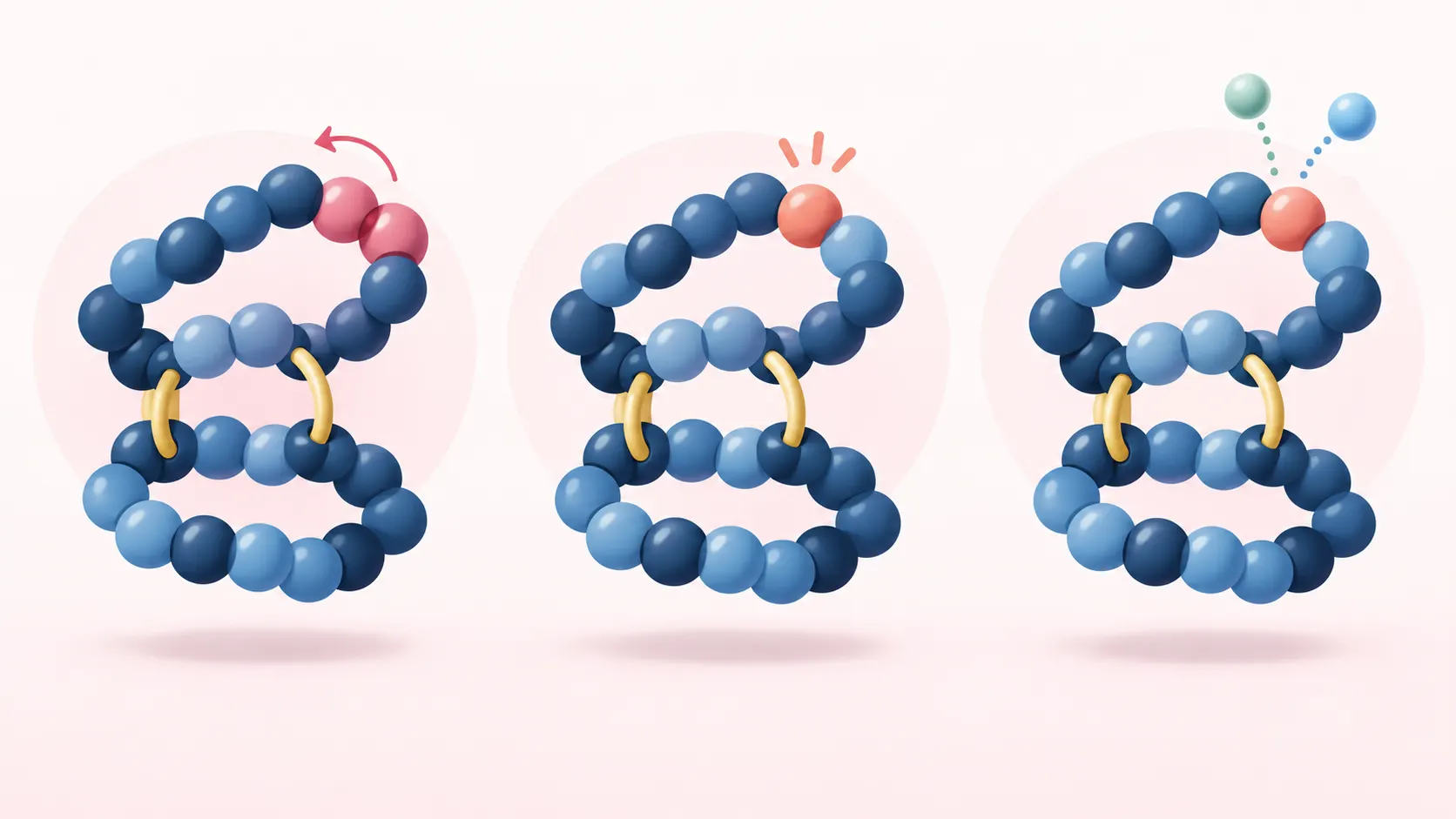
Novolog contains insulin aspart, which has a single amino acid substitution (proline replaced with aspartic acid) that similarly speeds absorption compared with regular human insulin. Its labeled duration of action is 3 to 5 hours, with maximum glucose-lowering effect occurring 1 to 3 hours after injection.
Fiasp is also insulin aspart, chemically the same molecule as Novolog, but formulated with two additional ingredients, niacinamide (vitamin B3) and L-arginine, that speed the initial absorption rate even further, giving Fiasp a faster onset than standard Novolog while keeping overall duration broadly similar.
Why the speed difference actually matters
For a mealtime insulin, faster onset means the insulin’s action lines up more closely with how quickly food actually raises blood sugar, which can reduce the after-meal blood sugar spike some patients experience with standard rapid-acting insulins if there’s a gap between injection and the food’s glucose hitting the bloodstream. This is Fiasp’s specific selling point over standard Novolog and Humalog: a modestly faster start intended to better match real-world eating patterns, particularly useful for patients who sometimes inject right before or even during a meal rather than the traditionally recommended 15-minute-before window.
Practical prescribing considerations
Because all three are used similarly (mealtime dosing, similar overall duration), switching between them is common in practice, often driven by insurance formulary coverage, pump compatibility, or cost rather than a fundamental clinical need to choose one specifically. Patients switching insulins should do so under medical guidance, since even small differences in onset and duration can affect blood sugar patterns during the adjustment period.
Side effects
All three share the core risks common to any insulin: hypoglycemia (low blood sugar) if the dose exceeds what’s needed for the food eaten, injection site reactions, and (rarely) allergic reactions. There’s no meaningfully different side-effect profile between the three beyond the timing-related blood sugar management considerations already discussed.
Who each might suit
Factors that may point toward Fiasp:
- A pattern of high after-meal blood sugar spikes despite proper timing of standard rapid-acting insulin
- A need or preference for dosing right at or just after the start of a meal rather than 15 minutes before
Factors that may point toward standard Humalog or Novolog:
- Established good control on the standard formulation already
- Insurance or pump compatibility favoring one specific product
- No specific after-meal spike problem that would benefit from Fiasp’s faster onset
Frequently asked questions
Is Fiasp the same as Novolog?
Chemically, yes, both contain insulin aspart, but Fiasp adds niacinamide and L-arginine to speed its initial absorption, giving it a faster onset than standard Novolog.
Which insulin works fastest?
Among these three, Fiasp is specifically formulated for the fastest onset, designed to better match real-world meal timing.
Can I switch from Humalog to Novolog?
Switching between rapid-acting insulins is common in practice, often for cost or formulary reasons, but should be done under medical guidance since even small timing differences can affect blood sugar management during the transition.
Do all three last the same amount of time?
Their overall duration of action is broadly similar (roughly 3 to 5 hours), though Fiasp’s faster onset means its early action profile differs even if total duration is comparable.
Are these used for type 1 or type 2 diabetes?
Both; rapid-acting mealtime insulins are used across type 1 and type 2 diabetes treatment plans as needed for blood sugar management.
2 thoughts on “Humalog vs Novolog: Rapid-Acting Insulin Compared”