


Isoflurane is a volatile anesthetic gas used to keep patients unconscious during surgery. It is a liquid that anesthesiologists vaporize and deliver through a breathing circuit, and the patient inhales it to reach and maintain general anesthesia. Forane is its original brand name. The FDA-approved labeling describes it as a general anesthetic inhalation agent indicated for induction and maintenance of general anesthesia, and it has been in use in the United States since 1979.
Isoflurane is given only by anesthesia professionals, so you will never take it at home. But if you or someone you love is having surgery, it helps to know what it is, how it works, what safety warnings the label carries (including malignant hyperthermia and a warning about anesthesia in young children), and what to ask your anesthesia team. It is also widely used in veterinary medicine. This guide replaces our separate page on Forane.
This is general information based on FDA labeling, not medical advice. Your anesthesia team chooses the anesthetic based on your health, the surgery, and your history. Tell them about any past problems with anesthesia in you or your blood relatives.
Isoflurane at a glance
| Drug class | Halogenated volatile (inhaled) general anesthetic |
|---|---|
| Brand name | Forane (also generic isoflurane USP) |
| FDA-approved use | Induction and maintenance of general anesthesia |
| First US approval | 1979 |
| Form | Clear, colorless liquid (100% isoflurane), vaporized and inhaled |
| Given by | Anesthesia professionals only, with a vaporizer designed for isoflurane |
| Key contraindications | Genetic susceptibility to malignant hyperthermia; sensitivity to halogenated agents; when general anesthesia is contraindicated |
| Key warnings | Malignant hyperthermia, breathing and blood pressure depression, liver effects, carbon monoxide with dry CO2 absorbents, brain-development concern in very young children |
What isoflurane is and how it works
Isoflurane is a halogenated ether, a clear, colorless, stable liquid that contains no additives or chemical stabilizers. It evaporates easily, so it can be turned into a gas by a vaporizer and delivered in a mixture with oxygen (and sometimes nitrous oxide) through a breathing tube or mask.
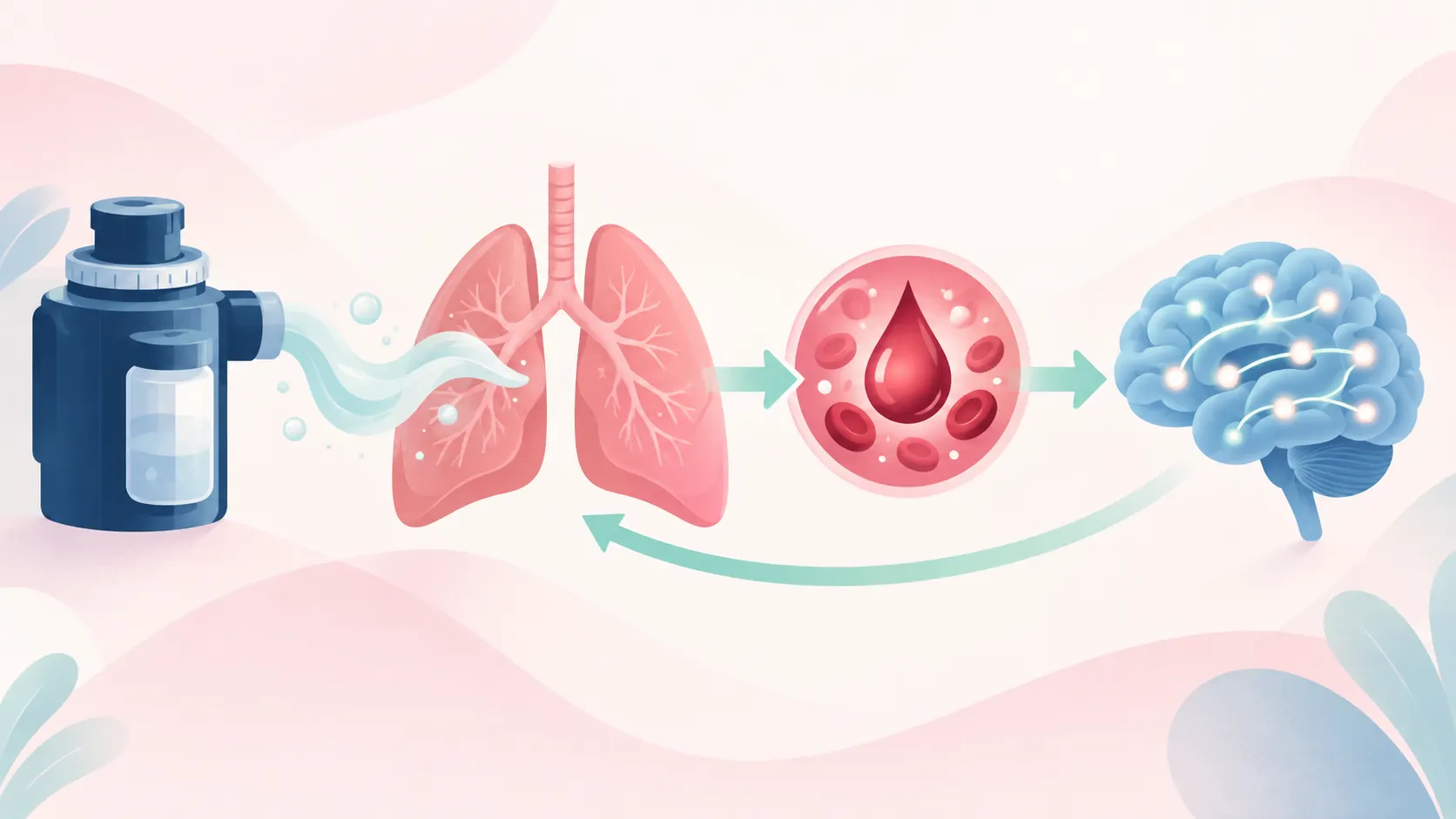
Once inhaled, the gas passes from the lungs into the blood and then to the brain, where it produces unconsciousness, muscle relaxation, and loss of response to painful stimuli. Exactly how inhaled anesthetics work is not fully understood. They appear to change how nerve cells communicate by affecting several receptors and channels in the brain and spinal cord.
The anesthesia team can raise or lower the depth of anesthesia quickly by changing the amount of isoflurane in the gas mix. When the vaporizer is turned off and the patient breathes oxygen, the gas leaves the body through the lungs, and the patient wakes up. This controllability is the main advantage of inhaled anesthetics.
What “MAC” means
Anesthesiologists describe how much of a volatile anesthetic is needed with a measure called MAC (minimum alveolar concentration), the concentration in the lungs at which half of patients do not move in response to a surgical incision. Doses are described as a fraction or multiple of MAC. The label notes that isoflurane’s MAC decreases with increasing age, except in neonates. It also decreases when other sedatives or opioids are given, so anesthesiologists lower the gas concentration when combining drugs.
Where isoflurane fits among anesthetics
General anesthesia is usually a combination of medicines: an intravenous drug to start (such as propofol), pain medicines and muscle relaxants as needed, and often an inhaled agent to maintain anesthesia. Isoflurane is one of several inhaled agents. The two other common ones in modern practice are sevoflurane and desflurane.
| Isoflurane | Sevoflurane | Desflurane | |
|---|---|---|---|
| Uses | Induction and maintenance of anesthesia | Induction and maintenance | Adults: induction and maintenance; children: maintenance after induction with other agents |
| Smell and airway irritation | Pungent; can irritate the airway | Milder, often used for mask induction | Strongly pungent; airway irritation |
| Speed of wake-up | Slower | Faster | Fastest |
| Long history | Since 1979 | Newer | Newer |
The choice depends on the patient, the surgery, and the anesthesiologist’s preference. Isoflurane is still widely used, particularly for maintenance of anesthesia.
The desflurane label (SUPRANE) carries similar cautions to isoflurane, including malignant hyperthermia, the reaction with desiccated carbon dioxide absorbents, and pediatric neurotoxicity, which shows that these are class-wide issues with volatile anesthetics.
Who should not receive isoflurane
The label lists three contraindications. Isoflurane must not be used in patients:
- In whom general anesthesia is contraindicated
- With known sensitivity to isoflurane or other halogenated agents
- With known or suspected genetic susceptibility to malignant hyperthermia
Tell your anesthesia team about any history of:
- A bad reaction to anesthesia, in you or a blood relative
- Unexplained high fever, muscle rigidity, or death during surgery in a family member
- Liver problems after a previous anesthetic (jaundice or hepatitis)
- Neuromuscular disease
Warnings and precautions
Malignant hyperthermia
The label warns that in susceptible individuals, volatile anesthetic agents, including isoflurane, may trigger malignant hyperthermia, a life-threatening reaction in which skeletal muscle enters a hypermetabolic state. Signs can include a rapidly rising body temperature, stiff muscles, a fast heart rate, and rising carbon dioxide levels. It is a genetic condition, and family history matters. Operating rooms are prepared with the antidote (dantrolene) and trained to treat it immediately. Anyone with known or suspected susceptibility should not receive volatile anesthetics.
Breathing and circulation
Like other inhaled anesthetics, isoflurane depresses breathing and lowers blood pressure in a dose-related way. The label notes that the depressant effect on breathing is increased when it is combined with opioids and other respiratory depressants, so breathing is closely monitored and assisted or controlled with a ventilator when necessary. This is routine care during surgery.
QT prolongation
The label advises carefully monitoring cardiac rhythm when isoflurane is given to susceptible patients, since it can prolong the QT interval on the electrocardiogram in some people. Tell the team about any history of heart rhythm problems or fainting.
Liver effects
Cases of mild, moderate, and severe postoperative liver dysfunction or hepatitis, with or without jaundice, including rare fatal liver failure, have been reported with halogenated anesthetics, including isoflurane. Some of these reactions can represent hypersensitivity hepatitis, a known risk of exposure to halogenated anesthetics. It is rare, but anyone who has had unexplained liver problems after a prior anesthetic should tell the anesthesia team.
Carbon monoxide with dry absorbents
Isoflurane, like some other inhaled anesthetics, can react with desiccated (dried out) carbon dioxide absorbents in the anesthesia machine to produce carbon monoxide. That can raise carboxyhemoglobin levels in some patients. The label instructs staff to replace CO2 absorbent that may be desiccated before giving isoflurane, and notes that the color indicator does not reliably show dryness, so absorbents should be replaced routinely. This is a hospital equipment safety point, handled by anesthesia teams.
Pediatric neurotoxicity
The label includes a warning that in developing animals, exposures greater than 3 hours cause neurotoxicity, and it advises weighing benefits against potential risks when considering elective procedures in children under 3 years old.
This has been a topic of careful study and public discussion. The animal findings led the FDA to add warnings about repeated or lengthy use of general anesthetic and sedation drugs in children younger than 3 and in pregnant women during the third trimester. Human evidence is still being studied, and the current advice is not to avoid needed surgery. Procedures that are medically necessary should go ahead, and the label’s caution is aimed at elective procedures that could be safely delayed, and at minimizing unnecessary or prolonged exposure. Parents should discuss timing and necessity with the surgeon and anesthesiologist, not skip or delay surgery on their own.
Side effects
Most side effects of inhaled anesthetics are temporary and related to anesthesia and surgery generally:
- Nausea and vomiting after surgery
- Sore throat from the breathing tube
- Shivering and chills
- Drowsiness, confusion, or dizziness as anesthesia wears off, sometimes lasting into the next day, especially in older adults
- Low blood pressure and slow or fast heart rate during anesthesia, managed by the team
- Breathing depression during anesthesia, managed with monitoring and ventilation
- Agitation on waking, which can occur in children
- Muscle aches
Persistent problems, such as prolonged confusion, severe nausea, jaundice, or chest pain, should be reported to your surgical team.
What to expect if you receive isoflurane
Before surgery. The anesthesia team reviews your medical and family history, medicines, allergies, previous anesthetic experiences, and dental and airway issues. You will be told when to stop eating and drinking. Ask about:
- Whether any family member has had a serious reaction to anesthesia
- Which of your medicines to take or hold on the day of surgery
- Your risk of nausea, and steps to reduce it
During surgery. You are typically put to sleep with an intravenous medicine first. Then a breathing tube or mask is placed, and isoflurane and oxygen are delivered to keep you asleep. Your heart rate, blood pressure, oxygen level, breathing, and temperature are continuously monitored.
After surgery. The gas is turned off, you breathe oxygen, and you wake up in the recovery area. Grogginess is normal. Ask a responsible adult to stay with you if you go home the same day, and avoid driving, important decisions, and alcohol for the time your team specifies.
Older adults, pregnancy, and other groups
- Older adults. Need less anesthetic, since MAC declines with age, and are more prone to postoperative confusion or delirium. Tell the team about memory concerns.
- Pregnancy. Anesthesia for surgery in pregnancy is planned carefully to protect the mother and baby. The label’s pediatric neurotoxicity warning applies to prolonged exposures in the third trimester, and needed surgery should go ahead when necessary.
- Children. Weigh the timing of elective procedures under age 3, and note that agitation on waking is more common in children.
- People with liver, heart, or lung disease. Need extra planning and monitoring.
- People who use alcohol, opioids, cannabis, or sedatives regularly. Tell the team, since these can change how much anesthesia is needed and how you recover. Our guide to Benadryl and alcohol shows how sedatives can combine with alcohol.
Common worries about general anesthesia
“Will I wake up during surgery?” Awareness during general anesthesia is rare. Anesthesia teams monitor vital signs and often depth of anesthesia, and adjust the gas and intravenous medicines to keep you asleep. If you have had awareness before, or are worried, tell your anesthesiologist, who can plan extra monitoring.
“Will I feel pain?” You will not feel the surgery. Pain control is also planned for afterward with medicines and, in some cases, nerve blocks.
“Will I say something embarrassing?” Anesthesia teams are professionals bound by privacy rules, and most people say nothing memorable while under.
“Will I be confused afterward?” Some grogginess is normal, and older adults may be more confused for a day or longer. Having familiar items, glasses, and hearing aids with you, and a family member at the bedside, helps.
“Does the type of gas matter for me?” Your anesthesiologist chooses among agents based on your health, the length of surgery, and how you are expected to recover. If you have a preference or a history of severe nausea, mention it.
Getting ready for anesthesia
A few preparations help you get the best result and lower risk:

- Follow fasting instructions exactly. An empty stomach reduces the risk of stomach contents entering the lungs.
- Bring a complete list of medicines and supplements, including over-the-counter and herbal products, since some affect bleeding or interact with anesthesia.
- Tell the team about smoking, vaping, alcohol, and drug use. They change how much anesthesia you need and your risk of breathing problems.
- Report loose teeth, dentures, and neck or jaw problems, which affect airway management.
- Mention sleep apnea, heart or lung disease, and any past anesthesia problems.
- Arrange a ride and help at home if you are going home the same day.
- Ask about recovery, including pain control, nausea prevention, and when you can eat and drink.
Alternatives and complements to general anesthesia
General anesthesia is not the only option for every procedure. Depending on the surgery, your team may offer:
- Local anesthesia, where a numbing medicine such as lidocaine blocks pain in one small area while you stay awake.
- Regional anesthesia, such as a spinal, epidural, or nerve block, which numbs a larger area.
- Sedation, where you are relaxed or lightly asleep but breathing on your own.
- Combined approaches, such as a nerve block with general anesthesia to reduce pain and the amount of gas needed.
Which option is best depends on the operation, your health, and your preferences. Ask your team what they recommend and why.
Related anesthetic and pain medicines
Anesthesia is a team of medicines. You may also hear about other drugs used around surgery. For example, lidocaine numbs a local area, and ketamine is another anesthetic given by injection. Each has its own role and risks.
Environment and healthcare workers
Volatile anesthetics are greenhouse gases when released into the atmosphere, and hospitals increasingly track and reduce their use, with choices between agents and careful low-flow techniques. Healthcare workers can also be exposed to small amounts of waste anesthetic gas, so operating rooms use scavenging systems to capture it. These are institutional safety and sustainability matters that anesthesia departments manage.
Questions to ask your anesthesia team
- Which anesthetic will you use, and why?
- Does anyone in my family have a history of malignant hyperthermia or problems with anesthesia?
- How do you lower my risk of nausea and vomiting?
- Given my age and health, what could make recovery harder, such as confusion or breathing problems?
- Is this surgery elective, and if it is for a child under 3, is the timing right?
- When can I eat, drive, and return to normal activity?
- Which of my medicines should I stop or continue?
Frequently asked questions
What is isoflurane used for?
To induce and maintain general anesthesia during surgery. It is an inhaled anesthetic delivered by anesthesia professionals.
What is the difference between Forane and isoflurane?
Forane is the original brand name for isoflurane. Generic isoflurane USP contains the same drug and is used the same way.
Is isoflurane safe?
It is widely used and generally safe when given by trained anesthesia professionals, but it has warnings, including malignant hyperthermia, breathing and blood pressure depression, rare liver injury, and a caution about lengthy exposure in young children.
What is malignant hyperthermia?
A rare, inherited reaction to certain anesthetics, including isoflurane, causing dangerous fever, muscle rigidity, and a very fast metabolism. Anyone with known or suspected susceptibility should not receive it, and operating rooms are prepared to treat it.
Can isoflurane harm children’s brains?
The label notes neurotoxicity in developing animals with exposures over 3 hours and advises weighing risks and benefits of elective procedures in children under 3. Human evidence is still being studied, and necessary surgery should not be avoided.
How long does it take to wake up after isoflurane?
Most people begin to wake soon after the gas is turned off, though grogginess can last hours. Recovery depends on the length of surgery and other medicines given.
Does isoflurane cause nausea?
Nausea and vomiting after anesthesia are common, and teams use anti-nausea medicine and other steps to reduce them.
Is isoflurane used in animals?
Yes. Isoflurane is widely used in veterinary anesthesia.
Can I drink alcohol after anesthesia?
Avoid it for at least the time your team recommends, since anesthesia and pain medicines can make alcohol’s effects stronger.
References
- FDA. FORANE (isoflurane, USP) liquid for inhalation: prescribing information (2024).
- DailyMed. FORANE (isoflurane) inhalant: label.
- DailyMed. Isoflurane USP liquid for inhalation: prescribing information (Piramal Critical Care).
- Medscape. Forane (isoflurane): dosing, indications, interactions, adverse effects.
- FDA. SUPRANE (desflurane, USP) prescribing information (2022), for comparison of class warnings.
- PubChem. Isoflurane (CID 3763).