


Yes, most healthy adults can take ibuprofen (Advil, Motrin) with Bactrim (sulfamethoxazole/trimethoprim) for a few days. There’s no direct, dangerous interaction between them, and pharmacists routinely see them used together. The caution is about the kidneys and potassium. Both drugs can strain the kidneys, and Bactrim’s trimethoprim raises blood potassium, which NSAIDs like ibuprofen can raise too. For most people, a short course at normal doses with plenty of fluids is fine. For older adults, people with kidney disease, heart failure or dehydration, and anyone taking ACE inhibitors, ARBs or spironolactone, acetaminophen (Tylenol) is usually the safer pain reliever to use with Bactrim.
This guide covers every common pain reliever with Bactrim (ibuprofen, naproxen, aspirin, acetaminophen, celecoxib, the urinary pain reliever phenazopyridine, and stronger options), plus the specific situations where the combination needs more care, using the FDA label for Bactrim and published research.
This is general information, not medical advice. If you have kidney disease, heart disease or take several regular medicines, check with your pharmacist before adding any painkiller.
Quick answer: pain relievers with Bactrim
| Pain reliever | With Bactrim? | Notes |
|---|---|---|
| Acetaminophen (Tylenol) | Generally the safest choice | No kidney or potassium effects at normal doses. Stay under 3,000 to 4,000 mg a day, and lower if you drink alcohol or have liver disease. |
| Ibuprofen (Advil, Motrin) | Usually OK short term for healthy adults | Use the lowest dose for the fewest days and stay hydrated. Avoid if at higher kidney or potassium risk. |
| Naproxen (Aleve) | Same cautions as ibuprofen | Longer-acting, so its effects on the kidneys last longer. |
| Aspirin (pain doses) | Same NSAID cautions | Low-dose aspirin for the heart is usually continued, but check with your prescriber. |
| Celecoxib (Celebrex) | Use with caution | Same kidney and potassium cautions. Bactrim may raise its levels slightly. |
| Diclofenac gel (Voltaren) | Reasonable option for joint or muscle pain | Much less reaches the blood than with pills. |
| Phenazopyridine (Azo, Pyridium) for UTI pain | Commonly used together | Limit to 2 days. Avoid with G6PD deficiency or kidney disease. |
What Bactrim and ibuprofen each do
Bactrim combines two antibiotics, sulfamethoxazole and trimethoprim, that block two steps in how bacteria make folate. Doctors use it for urinary tract infections, some skin infections including MRSA, traveler’s diarrhea, certain types of pneumonia, and flare-ups of bronchitis. A typical adult course is one double-strength tablet (800 mg/160 mg) twice a day for 3 to 14 days, depending on the infection.
Ibuprofen is a non-steroidal anti-inflammatory drug (NSAID). It blocks prostaglandins, the chemical signals that drive pain, fever and inflammation. Prostaglandins also help keep blood flowing to the kidneys, which is the root of the caution with Bactrim.
Why the combination needs some care
1. Potassium
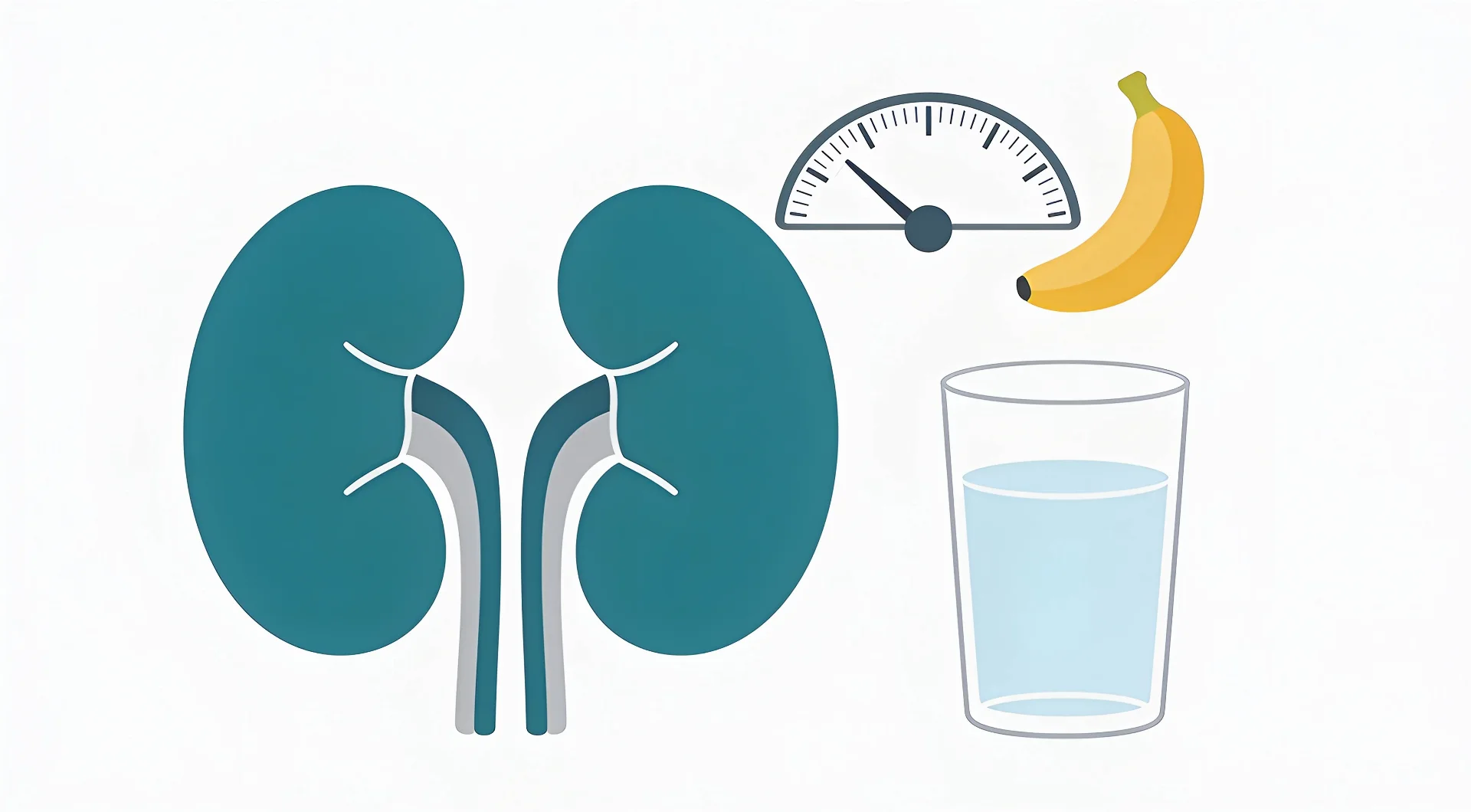
Trimethoprim acts on the kidney like the potassium-sparing diuretic amiloride: it reduces how much potassium the kidneys get rid of. The Bactrim label warns that even standard doses can cause high potassium (hyperkalemia) in people with kidney problems, potassium disorders, or on other drugs that raise potassium. NSAIDs raise potassium too, by reducing renin and aldosterone activity. In healthy people the effect is usually small. In vulnerable people the two can add up.
How big is the risk? A large Canadian study of adults aged 66 and older taking ACE inhibitors or ARBs (Antoniou and colleagues, Archives of Internal Medicine, 2010) found that starting Bactrim was linked to a nearly 7-fold higher risk of hospitalization for hyperkalemia compared with amoxicillin. Adding an NSAID on top of that combination raises the risk further. Severe hyperkalemia can cause dangerous heart rhythms.
2. The kidneys
NSAIDs reduce blood flow to the kidneys, which matters most when someone is dehydrated (fever, vomiting, diarrhea, not drinking enough), elderly, or has kidney disease, heart failure or cirrhosis. Bactrim can also affect the kidneys. Trimethoprim blocks the kidney’s secretion of creatinine, so blood tests may show a small, harmless creatinine rise. Sulfamethoxazole can rarely form crystals in the urine or cause kidney inflammation. The label specifically says to keep fluid intake and urine output up during treatment.
3. A small effect on ibuprofen levels
Sulfamethoxazole blocks the liver enzyme CYP2C9, which helps break down ibuprofen, celecoxib and several other drugs. This may raise NSAID levels modestly. It isn’t usually significant at standard doses, but it’s one more reason to use the lowest effective dose.
4. Stomach
Both drugs can upset the stomach. Taking ibuprofen with food and Bactrim with a full glass of water reduces nausea.
Who should avoid ibuprofen with Bactrim
Use acetaminophen instead, or ask your prescriber first, if any of these apply:
- Age 65 or older.
- Chronic kidney disease, or a past episode of kidney injury.
- Heart failure, or cirrhosis of the liver.
- Taking an ACE inhibitor (lisinopril, enalapril, ramipril), an ARB (losartan, valsartan, olmesartan), spironolactone or eplerenone, amiloride or triamterene, or potassium supplements or salt substitutes.
- Taking a diuretic (furosemide, hydrochlorothiazide). An NSAID plus a diuretic plus an ACE inhibitor or ARB is the “triple whammy” combination known to trigger acute kidney injury, and Bactrim adds potassium risk on top.
- Dehydrated from vomiting, diarrhea or fever, or unable to drink normally.
- Diabetes with kidney involvement.
- Taking methotrexate. Both Bactrim and NSAIDs can raise methotrexate levels, and Bactrim adds bone marrow suppression risk. This combination needs specialist advice.
- Taking warfarin. Bactrim strongly raises warfarin’s effect, and NSAIDs add bleeding risk. Acetaminophen at modest doses is preferred, with INR monitoring.
How to take ibuprofen safely with Bactrim
If you’re a healthy adult under about 65 with normal kidneys and none of the risk factors above:
- Use the lowest dose that works: 200 to 400 mg every 6 to 8 hours as needed, and no more than 1,200 mg a day without a prescriber’s advice.
- Keep it short: a few days, not the whole course if you don’t need it.
- Drink plenty of fluids, which also protects against Bactrim’s crystal formation.
- Take ibuprofen with food.
- You don’t need to space the doses apart, but there’s no harm in doing so.
- Stop and get checked if you notice much less urine, swelling of the legs, unusual muscle weakness, an irregular or slow heartbeat, or new numbness or tingling. These can signal kidney or potassium problems.
Acetaminophen (Tylenol): the usual first choice
Acetaminophen relieves pain and fever without affecting kidney blood flow or potassium, so it avoids both main concerns. It doesn’t reduce inflammation, so for a swollen joint or dental abscess pain it may feel less effective than ibuprofen. Standard adult dosing is 500 to 1,000 mg every 6 hours as needed, with a usual maximum of 3,000 mg a day for self-care (up to 4,000 mg only on medical advice). People who drink alcohol regularly or have liver disease should stay lower. Check combination cold and flu products, because many already contain acetaminophen.
UTI pain: phenazopyridine (Azo) with Bactrim
Many people taking Bactrim for a urinary tract infection also use phenazopyridine (Azo Urinary Pain Relief, Pyridium), which numbs the bladder lining and eases burning and urgency within hours. It’s commonly paired with Bactrim and has no direct interaction with it. Points to know:
- Use it for no more than 2 days. By then Bactrim should be easing symptoms. If not, contact your prescriber.
- It turns urine (and sometimes contact lenses and clothing) bright orange. That’s expected.
- It can interfere with urine dipstick tests, so mention it if you’re giving a urine sample.
- Avoid it with G6PD deficiency, because both phenazopyridine and Bactrim’s sulfamethoxazole can break down red blood cells in people with this inherited enzyme deficiency. Also avoid it with kidney disease.
- It treats the pain only, not the infection. Finish the antibiotic course.
Naproxen, aspirin, celecoxib and topical options
- Naproxen (Aleve): same cautions as ibuprofen. It lasts 8 to 12 hours, which is convenient, but its effect on the kidneys lasts longer too. Usual over-the-counter dose: 220 mg every 8 to 12 hours, with a maximum of 660 mg a day for self-care.
- Aspirin: pain-relief doses (325 to 650 mg) carry the same NSAID cautions plus more bleeding risk. Low-dose aspirin (81 mg) taken for heart protection is generally continued during a Bactrim course.
- Celecoxib (Celebrex): gentler on the stomach but not on the kidneys, and sulfamethoxazole’s effect on CYP2C9 may raise its levels. Celecoxib is also a sulfonamide-containing drug. People with a sulfa allergy who react to Bactrim should mention it, though cross-reactivity between antibiotic and non-antibiotic sulfonamides is considered low.
- Topical NSAIDs (diclofenac gel): for knee, hand or muscle pain, only a small fraction reaches the bloodstream, so kidney and potassium effects are minimal. A good option alongside Bactrim for musculoskeletal pain.
Pain relief by situation
Bactrim is prescribed for very different infections, and the best pain plan depends on which one you have:
- Bladder infection (cystitis): burning and urgency usually ease within 24 to 48 hours of starting Bactrim. Phenazopyridine for up to 2 days, plus acetaminophen if needed, covers most people. Drinking extra water helps both the symptoms and Bactrim’s kidney safety. If you have back or flank pain, fever, chills or vomiting, the infection may have reached the kidney. Get seen promptly rather than masking the pain.
- Skin infection or abscess (including MRSA): ibuprofen often helps more than acetaminophen here, because swelling drives the pain. A healthy adult can usually take it for a few days. Warm compresses and, where needed, drainage by a clinician matter more than any painkiller. Spreading redness, red streaks, or fever despite treatment need review.
- Sinus or ear infection: either acetaminophen or ibuprofen works. Saline rinses and warm compresses add relief without drug interactions.
- Bronchitis flare or pneumonia: acetaminophen is often preferred for fever and aches, especially in older adults, who are also the group most at risk from the kidney and potassium effects.
- After dental work or surgery: dentists often combine ibuprofen and acetaminophen, which works better than either alone. If you’re on Bactrim at the same time, tell the dentist or surgeon so they can check your kidney and potassium risk before recommending the NSAID part.
- Traveler’s diarrhea: avoid NSAIDs while you’re losing fluid, because dehydration plus an NSAID is the classic setup for kidney injury. Acetaminophen and oral rehydration are safer.
Children taking Bactrim
Bactrim is used in children from 2 months of age, often for urinary or ear infections and as a liquid. For pain or fever, children’s acetaminophen or children’s ibuprofen (from 6 months) can generally be given alongside it, dosed by weight, not age, using the syringe or cup supplied. The same caution about fluids applies, even more so: avoid ibuprofen if a child is vomiting, has diarrhea, or isn’t drinking well, because children dehydrate quickly. Never give aspirin to children or teenagers with a viral illness, because of the risk of Reye’s syndrome. If you’re unsure about the dose, a pharmacist can calculate it from the child’s weight in a minute.
Stronger pain relief
If pain is severe enough to need prescription pain relief (for example after surgery or with a serious skin infection), opioids such as hydrocodone or oxycodone have no meaningful interaction with Bactrim, though they bring their own risks of drowsiness, constipation and dependence. Tramadol is worth flagging. Like Bactrim, it can rarely cause low blood sugar, and it has many other interactions, so prescribers check the full medicine list first.
Other Bactrim interactions worth knowing
- Warfarin: Bactrim significantly increases the anticoagulant effect. INR needs checking within days.
- Sulfonylureas (glipizide, glyburide, glimepiride): risk of low blood sugar.
- Phenytoin: levels can rise.
- Methotrexate: serious risk of bone marrow suppression.
- ACE inhibitors, ARBs, spironolactone: high potassium, as above.
- Dofetilide: contraindicated, because of dangerous heart rhythm risk.
- Leucovorin taken with Bactrim for certain pneumonia treatment has been linked to treatment failure.
Is drinking on Bactrim safe? Our alcohol and medication interaction checker covers antibiotics and many other medicines.
Bactrim side effects to watch for
Nausea, loss of appetite and rash are the most common. Seek urgent care for:
- A rash with blistering, peeling, mouth sores or fever. Bactrim is one of the medicines most often linked to Stevens-Johnson syndrome and toxic epidermal necrolysis.
- Yellow skin or eyes, or dark urine.
- Unusual bruising, bleeding, sore throat or fever, which can signal blood count problems.
- Severe or bloody diarrhea, during or weeks after the course (C. difficile).
- Muscle weakness, palpitations or a slow pulse, which can signal high potassium.
- Shakiness, sweating and confusion, which can signal low blood sugar, especially in older adults, people with kidney problems, or those on diabetes medicines.
Bactrim also makes skin more sensitive to sunlight, so use sunscreen during the course.
When pain means the antibiotic isn’t working
Pain relievers are for comfort while the antibiotic works. They shouldn’t hide a failing treatment. Bactrim resistance is common in some areas, especially for urinary infections, so contact your prescriber if:
- UTI burning and urgency aren’t clearly better after 48 hours, or get worse.
- New back or side pain, fever or shaking chills appear, which suggest the infection has reached the kidney.
- A skin infection’s redness keeps spreading after 48 to 72 hours, or a lump becomes larger, more painful or fluctuant (a soft, fluid-filled feel).
- You need painkillers at the maximum dose around the clock just to cope.
- Pain returns within days of finishing the course.
These usually mean a different antibiotic, a urine or wound culture, or drainage is needed, not a stronger painkiller.
Frequently asked questions
What pain reliever can I take with Bactrim?
Acetaminophen (Tylenol) is usually the safest choice, because it doesn’t affect the kidneys or potassium. Healthy adults can generally use ibuprofen or naproxen for a few days at low doses with plenty of fluids. For UTI burning, phenazopyridine (Azo) can be used for up to 2 days.
Can I take Advil with sulfamethoxazole/trimethoprim?
Usually yes, for a short time if you’re a healthy adult. Avoid it, or ask first, if you’re over 65, have kidney or heart problems, are dehydrated, or take an ACE inhibitor, ARB, spironolactone, a diuretic, methotrexate or warfarin.
Do I need to space ibuprofen and Bactrim apart?
No. They don’t interfere with each other’s absorption. The concern is their combined effect on the kidneys and potassium, which spacing doesn’t change.
Can I take Tylenol with Bactrim?
Yes. Acetaminophen has no significant interaction with Bactrim. Stay within the daily limit and check other products for hidden acetaminophen.
Why does Bactrim raise potassium?
Its trimethoprim component blocks sodium channels in the kidney in the same way as the diuretic amiloride, so the kidney gets rid of less potassium. The effect is strongest at high doses, in older adults, and in people with kidney disease or on other potassium-raising drugs.
References
- Bactrim (sulfamethoxazole and trimethoprim) prescribing information. FDA, 2024.
- Antoniou T, et al. Trimethoprim-sulfamethoxazole-induced hyperkalemia in patients receiving inhibitors of the renin-angiotensin system: a population-based study. Arch Intern Med. 2010;170:1045-1049.
- Ibuprofen prescribing information (NSAID class warnings). DailyMed.
- Kemnic TR, Coleman M. Trimethoprim sulfamethoxazole. StatPearls. NCBI Bookshelf.
- Phenazopyridine prescribing information. DailyMed.
About this article
Written by the Health Linear Editorial Team from primary sources such as FDA prescribing information, DailyMed, NIH and peer-reviewed studies, which are linked in the article. Last updated October 28, 2026.
Read our editorial process and medical disclaimer. Spotted an error? Tell us and we will correct it.